The sizzle of food on a hot griddle is a delightful sound, promising delicious meals, whether you’re whipping up breakfast crepes or a hearty stir-fry. Yet, beneath that enticing sizzle lies a significant risk: burns. As an Admin at CrepeMakerDepot.com and a technician with over a decade of hands-on experience with all types of crepe makers, from compact home units to professional restaurant models, I’ve seen firsthand the importance of understanding and respecting the heat. This guide is designed to equip you with the knowledge and best practices to safely operate any hot griddle, ensuring your cooking experience remains enjoyable and burn-free.
Understanding the Risks: Why Hot Griddles Are Dangerous
Hot griddles and crepe makers reach high temperatures to achieve that perfect sear or golden-brown finish. While essential for cooking, this intense heat poses several burn risks. Direct contact with the hot surface is an obvious danger, but hazards extend beyond that. Grease can splatter, causing painful oil burns, and steam, often underestimated, can inflict equally severe injuries when released from covered dishes or when lifting lids. Even after you turn off the heat, the griddle retains significant residual warmth for an extended period, remaining a burn hazard. Neglecting a hot griddle, even for a moment, can lead to serious accidents, especially when children or pets are nearby.
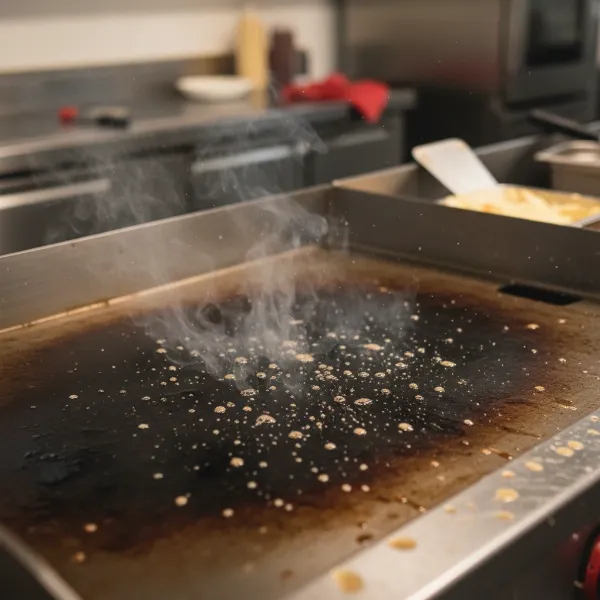 Various burn risks from a hot griddle, including steam, hot surface, and grease splatter.
Essential Personal Protective Equipment (PPE)
Protecting yourself begins before you even turn on the griddle. Investing in and consistently using the right personal protective equipment (PPE) is your first line of defense against burns.
Heat-Resistant Gloves and Oven Mitts
|
Our Picks for the Best Crepe maker in 2026
As an Amazon Associate I earn from qualifying purchases.
|
||
| Num | Product | Action |
|---|---|---|
| 1 | Gourmia 12” Crepe Maker – Nonstick Electric Griddle for Pancakes, Omelets & More, Precise Temp Control with Indicator Lights, Includes Spatula & Batter Spreader, Quick Cleanup, Stainless Steel Trim |

|
| 2 | 16 Inch Commercial Crepe Maker, Dual-Head, Dual Zone Temp Setting, Nonstick Pancake Griddle Machine, 50-300°C(120-570℉), 3400W, S.S. Shell, for Catering, Restaurant, Snack Stand, CE Certified |
|
| 3 | Baker's Friend Instant Crepe Maker with Handle, Electric Crepe Maker Machine, Crepera Electrica, 8 Inch Non-stick Cooking Surface, Aqua |
|
| 4 | Gourmia 8” Electric Crepe Maker – Nonstick Ceramic Surface, One-Touch Operation, Includes Batter Tray, Compact & Easy to Clean, Crepe, Pancake & Tortilla Maker |
|
| 5 | Moss & Stone Electric Crepe Maker – 8” Portable Crepe Pan Nonstick with Dipping Plate, Auto Shut-Off, On/Off Switch, Even Heating & One Automatic Temperature Control – Compact Crepe Maker |
|
| 6 | Moss & Stone 12” Electric Griddle Pan & Crepe Machine, Non-Stick Electric Crepe Maker with Adjustable Temperature, Includes Spreader & Spatula – Ideal for Pancakes, Blintzes & Tortillas |
|
| 7 | Electric Crepe Maker 12'' & Griddle - Non-Stick Pan With Spreader for Roti, Tortilla, Blintzes, Pancakes - Adjustable Temperature, 1000W |
|
| 8 | Nutrichef Electric Crepe Maker & Griddle Cooktop - Nonstick 12 Inch Aluminum Hot Plate with LED Indicator Lights & Adjustable Temperature Control - Wooden Spatula & Batter Spreader Included |
|
| 9 | Nutrichef Electric Crepe Maker - 8-inch Nonstick Cooktop with On/Off Switch - Cooks Roti, Tortillas & Pancakes - Automatic Temperature Control & Cool Touch Handle - Includes Food Bowl, Whisk & Spatula |
|
| 10 | Moss & Stone Electric Crepe Maker 8 Inch, Portable Crepe Maker & Hot Plate Cooktop On/Off Switch, Nonstick Coating, Automatic Temperature Control, Easy To Use For Pancakes, Blintz, Chapati |
|
Always have high-quality, heat-resistant gloves or oven mitts readily available. These are indispensable when handling hot griddle accessories, moving cooked food, or making adjustments near the hot surface. They create a crucial barrier between your hands and the intense heat, preventing direct contact burns. For crepe makers, specially designed gloves can offer greater dexterity while still providing necessary protection.
Appropriate Clothing
Your choice of clothing can significantly impact your safety. Opt for short or close-fitting sleeves to prevent fabric from dangling over the hot griddle, which could catch fire or absorb hot splatters. Loose or baggy clothing, including flowing sleeves, can easily brush against the hot surface, leading to burns or even igniting. An apron is also highly recommended to shield your body and clothing from grease splatters and accidental contact with warm surfaces. For added protection, sturdy, closed-toe footwear is advisable to protect your feet from dropped hot items or spills.
Creating a Safe Cooking Environment
A secure and organized cooking area is fundamental to burn prevention. Before you begin cooking, take a moment to assess and prepare your surroundings.
Designating a “Kid-Free Zone”
Children, especially those under five, are particularly vulnerable to griddle burns due to their curiosity and smaller stature. Establish a strict “kid-free zone” of at least three to six feet around your griddle. This physical boundary helps prevent accidental bumps, touches, or reach-ins that could lead to severe burns. Ensure pets are also kept out of this designated safe area.
Ensuring Proper Ventilation
Whether you’re using an indoor electric griddle or a professional crepe maker, adequate ventilation is crucial. Cooking can produce smoke and steam, and a well-ventilated space helps disperse these elements, reducing the risk of steam burns and improving overall air quality. If cooking outdoors, position your griddle in an open area, away from enclosed spaces or structures that could trap heat or fumes.
Clearing the Workspace
Before powering on your griddle, ensure the surrounding area is free from clutter and flammable materials. This includes paper towels, dishcloths, plastic bags, or any other items that could easily ignite or melt upon contact with heat. Keep the griddle on a stable, level, and heat-resistant surface to prevent wobbling or tipping. If cooking outdoors, position your griddle a safe distance (at least ten feet) from your home, deck railings, vinyl siding, or overhanging branches.
Safe Operation Practices for Your Griddle
Even with the right gear and a safe environment, burns can still occur if safe operating practices aren’t followed.
Preheating and Temperature Control
Always allow your griddle to preheat thoroughly to the desired temperature before adding food. This ensures even cooking and prevents the need for excessive adjustments during the cooking process. Familiarize yourself with your griddle’s temperature controls and use them to maintain a consistent heat, avoiding sudden spikes or drops that might lead to unexpected splatters. For crepe makers, achieving the right heat distribution is key for perfect crepes and safe operation.
Using Long-Handled Utensils
Short utensils force your hands closer to the hot griddle surface, increasing the risk of burns. Always use long-handled spatulas, tongs, and spreaders specifically designed for griddle cooking. This provides a safe distance from the heat, protecting your hands and arms from direct contact and splatters.
Awareness of Steam
Steam burns can be as painful and damaging as direct heat burns. When lifting lids from covered griddles or pans, always do so by tilting the lid away from your face and body, allowing the steam to escape safely. Be mindful of steam rising from liquids or moist foods cooking on the griddle.
Never Leaving the Griddle Unattended
A moment of distraction can lead to an accident. Never leave a hot griddle or crepe maker unattended, especially when it’s actively cooking. If you must step away, turn off the griddle and ensure the area is clear of anyone who might accidentally come into contact with it.
Avoiding Overcrowding the Griddle
Overloading your griddle with too much food at once can lower its surface temperature unevenly and cause excessive grease buildup and splattering. Cook in batches if necessary, allowing enough space for food to cook properly and for safe maneuvering with your utensils.
Handling Grease
Grease management is crucial for burn prevention. Use splash guards when frying or cooking foods that produce a lot of grease. Regularly clean out grease traps during and after cooking sessions to prevent overflow and potential flare-ups. Never let oil or grease build up on cooking surfaces.
Importance of Not Moving a Hot Griddle
A hot griddle is incredibly heavy and dangerous to move. Attempting to reposition a griddle while it’s hot can lead to severe burns, spills, and potential damage to the appliance or your surroundings. Always wait until the griddle has completely cooled down before attempting to move it.
Post-Cooking Safety: Cooling Down and Cleaning
Safety doesn’t end when the cooking is done. How you handle your griddle after use is just as important for preventing burns and maintaining your equipment.
Allowing Sufficient Cool-Down Time
The griddle surface retains heat for a considerable time after being turned off. Resist the urge to clean it immediately. Allow the griddle to cool down completely, typically for at least an hour, before attempting any cleaning or maintenance. This prevents accidental contact burns.
Proper Cleaning Techniques
Once cool, clean your griddle thoroughly. Pay special attention to grease traps and the cooking surface to remove any food residue or grease buildup. Regular cleaning not only extends the life of your griddle but also prevents flammable deposits from accumulating, which could lead to fires during future use. Always unplug the griddle before cleaning.
Unplugging and Disconnecting Safely
After each use, and certainly before cleaning or storage, turn off all controls and unplug your electric griddle or crepe maker from the power outlet. For gas griddles, ensure the gas valve on the propane tank is turned off.
Checking Electrical Cords
Periodically inspect the electrical cord of your griddle or crepe maker for any signs of damage, fraying, or exposed wires. A damaged cord poses a significant risk of electric shock or fire. If you find any damage, replace the cord immediately or have the appliance professionally repaired before further use.
What to Do in Case of a Burn or Fire
Even with the best precautions, accidents can happen. Knowing how to react in an emergency can minimize harm.
First Aid for Minor Burns
For minor burns (first-degree, characterized by redness and pain), immediately run the affected area under cool (not cold) water for several minutes. Do not apply ice, butter, or ointments. Loosely cover the burn with a sterile bandage and seek medical attention if pain persists or the burn worsens.
Handling Grease Fires
If grease catches fire on your griddle, remain calm. Never use water to extinguish a grease fire, as it can cause the fire to spread rapidly and dangerously. Instead, slide a metal lid or baking sheet over the pan to cut off the oxygen supply. Turn off the heat source immediately. Leave the lid in place until the griddle has completely cooled and the fire is out.
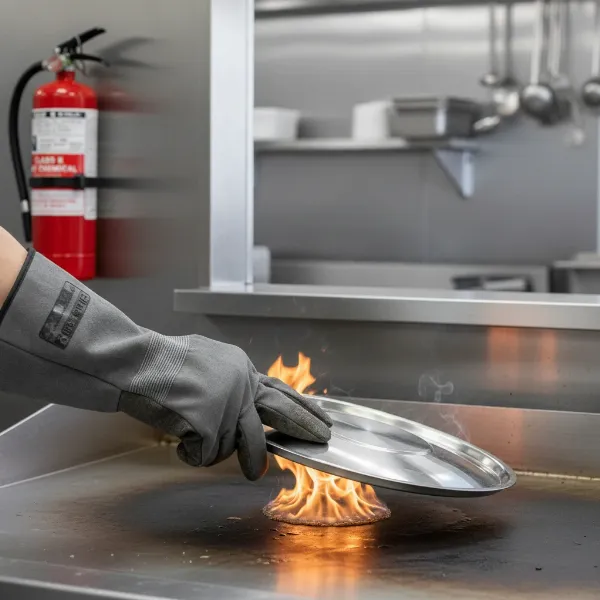 A metal lid being used to smother a small grease fire on a kitchen griddle.
Having a Fire Extinguisher Accessible
For larger fires, or if a grease fire cannot be smothered, a kitchen-rated fire extinguisher (Class K or ABC) is essential. Ensure it is easily accessible in your kitchen and that you know how to operate it effectively.
Choosing the right crepe maker is just the first step; operating it safely is paramount. By understanding the inherent risks, wearing appropriate protection, creating a safe cooking environment, following careful operating procedures, and maintaining your equipment, you can prevent burns and enjoy countless delicious crepes with peace of mind. What’s your top tip for ensuring safety in the kitchen when using hot cooking surfaces?
Frequently Asked Questions
What clothing is safest when cooking on a griddle?
The safest clothing includes short or close-fitting sleeves to prevent contact with the hot surface, along with an apron to protect against grease splatters. Sturdy, closed-toe shoes are also recommended to shield your feet from spills or dropped items.
How far should children stay from a hot griddle?
It’s advised to establish a “kid-free zone” of at least three to six feet around any hot griddle or cooking surface. This barrier helps prevent accidental burns due to children’s natural curiosity and movement.
Can steam from a griddle cause burns?
Yes, steam can cause severe burns, often referred to as scalds. Always open lids or covers away from your face and body to allow steam to escape safely, minimizing the risk of contact.
How do I clean a griddle safely after cooking?
Before cleaning, turn off the griddle and allow it to cool down completely, which can take up to an hour. Once cool, unplug it (if electric) and then proceed with cleaning, paying close attention to grease traps and the cooking surface to remove all residues.
What should I do if grease catches fire on my griddle?
If grease catches fire, immediately turn off the heat source. Do not use water; instead, carefully slide a metal lid or baking sheet over the pan to smother the flames by depriving them of oxygen. Keep the lid on until the griddle is completely cool.