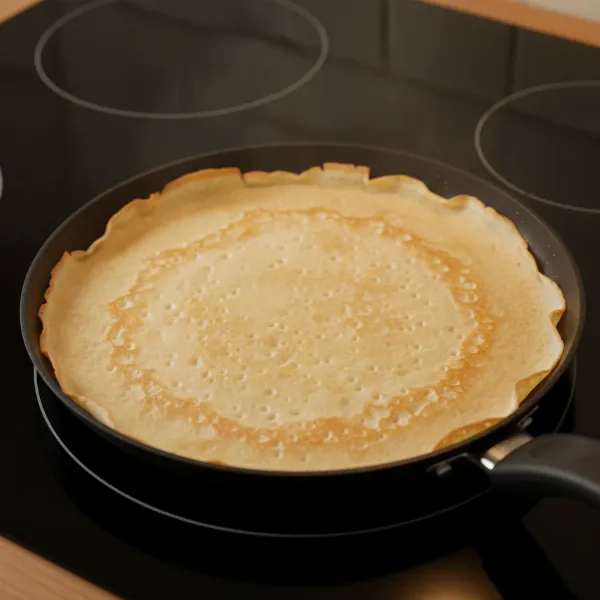
Maintaining a spotless crepe maker is key to consistently producing perfect, paper-thin crepes. As an experienced technician who’s seen countless machines, from basic home models to high-end restaurant equipment, I can attest that proper cleaning not only extends the life of your appliance but also preserves its non-stick properties, ensuring every crepe glides off effortlessly. The secret lies in using the right techniques and tools, specifically avoiding anything that could leave unsightly and damaging scratches on your precious cooking surface.
Why Gentle Cleaning is Crucial for Your Crepe Maker
A crepe maker’s cooking surface is its most vital component. Whether it’s a delicate non-stick coating or a meticulously seasoned cast iron plate, treating it with care during cleaning directly impacts its performance and longevity. Scratches, even microscopic ones, can lead to uneven heat distribution, cause crepes to stick, and significantly shorten the lifespan of your appliance. For non-stick surfaces, a compromised coating means food safety concerns and a frustrating cooking experience. For cast iron, scratches can disrupt the hard-earned seasoning, making crepes tear and stick. Gentle, scratch-free cleaning methods prevent these issues, ensuring your crepe maker remains a joy to use for years to come.
Essential Tools and Supplies for Scratch-Free Cleaning
Gathering the right tools before you begin is half the battle. To ensure your crepe maker remains pristine and scratch-free, equip yourself with the following:
- Soft Cloths or Microfiber Towels: Ideal for wiping surfaces without abrasion.
- Soft Sponges: Perfect for applying mild cleaning solutions and gentle scrubbing.
- Nylon-Bristle Brush: Effective for dislodging stubborn batter without damaging coatings.
- Mild Dish Soap or pH-Neutral Cleaner: Gentle on surfaces and safe for food contact. Avoid harsh chemicals or chlorine-based detergents, especially on painted frames.
- Warm Water: The universal cleaning solvent.
- Paper Towels: For drying and initial wipe-downs.
- Crepe Maker Cleaning Stone or Pumice Stone (for Cast Iron only): A specialized tool designed to clean seasoned cast iron without scratching.
- High-Smoke-Point Cooking Oil (for Cast Iron only): Essential for re-seasoning after cleaning.
- Wooden or Silicone Scraper/Spatula: Useful for gently removing larger, dried-on bits of batter.
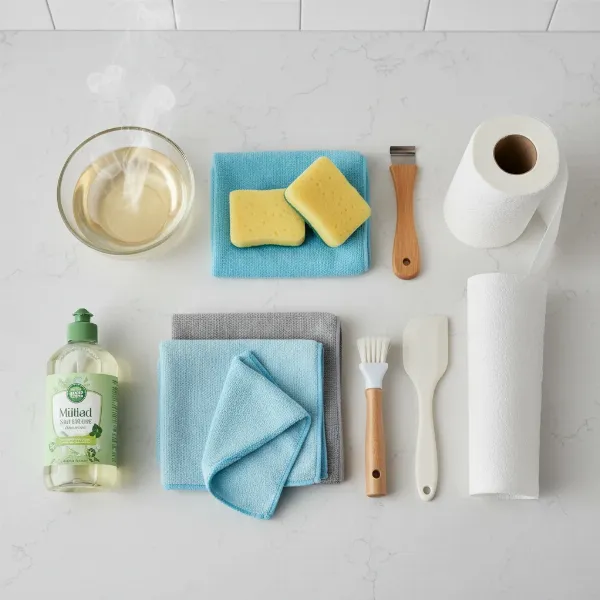 A collection of soft cloths, sponges, nylon brush, and mild soap for cleaning a crepe maker.
Preparation is Key: Before You Begin Cleaning
Before you even think about applying soap and water, ensure your safety and the integrity of your crepe maker by following these crucial preparation steps:
- Unplug Your Crepe Maker: Always disconnect the appliance from the power outlet. This is a non-negotiable safety measure to prevent electrical shock.
- Allow it to Cool Completely: Never attempt to clean a hot or warm crepe maker. Not only is it a burn hazard, but rapid temperature changes can damage some surfaces, and cleaning solutions can evaporate too quickly, leaving residue. Patience is a virtue here.
- Remove Loose Food Particles: Once cool, use a soft, dry cloth or paper towel to gently wipe away any loose crepe crumbs or excess oil from the cooking surface and the surrounding base. A wooden or silicone spatula can help scrape off any larger, easily removed bits of dried batter without risk of scratching.
Step-by-Step Guide: Cleaning Your Crepe Maker Safely
The cleaning process varies slightly depending on your crepe maker’s surface material. Here’s a detailed breakdown:
General Cleaning for All Surfaces
This initial approach is suitable for most crepe makers with light residue:
- Wipe Down with Damp Cloth and Mild Soap: Dampen a soft cloth or sponge with warm water and a small amount of mild dish soap. Gently wipe the entire cooking surface in circular motions, paying attention to any areas with batter residue or grease. The goal is to lift and dissolve the grime, not to scrub aggressively.
- Rinse with a Clean, Damp Cloth: After cleaning with soap, wring out a fresh, soft cloth in clean warm water. Wipe the surface again to remove any soap residue. Repeat this step as needed until the surface feels clean and free of suds.
- Thoroughly Dry: Using a dry, soft cloth or paper towel, dry the entire cooking surface completely. This prevents water spots and, more importantly, rust on cast iron surfaces. Leaving moisture can also invite corrosion.
|
Our Picks for the Best Crepe maker in 2026
As an Amazon Associate I earn from qualifying purchases.
|
||
| Num | Product | Action |
|---|---|---|
| 1 | Baker's Friend Instant Crepe Maker with Handle, Electric Crepe Maker Machine, Crepera Electrica, 8 Inch Non-stick Cooking Surface, Aqua |

|
| 2 | Nutrichef Electric Crepe Maker & Griddle Cooktop - Nonstick 12 Inch Aluminum Hot Plate with LED Indicator Lights & Adjustable Temperature Control - Wooden Spatula & Batter Spreader Included |
|
| 3 | Gourmia 12” Crepe Maker – Nonstick Electric Griddle for Pancakes, Omelets & More, Precise Temp Control with Indicator Lights, Includes Spatula & Batter Spreader, Quick Cleanup, Stainless Steel Trim |
|
| 4 | 16 Inch Commercial Crepe Maker, Dual-Head, Dual Zone Temp Setting, Nonstick Pancake Griddle Machine, 50-300°C(120-570℉), 3400W, S.S. Shell, for Catering, Restaurant, Snack Stand, CE Certified |
|
| 5 | Electric Crepe Maker 12'' & Griddle - Non-Stick Pan With Spreader for Roti, Tortilla, Blintzes, Pancakes - Adjustable Temperature, 1000W |
|
| 6 | Nutrichef Electric Crepe Maker - 8-inch Nonstick Cooktop with On/Off Switch - Cooks Roti, Tortillas & Pancakes - Automatic Temperature Control & Cool Touch Handle - Includes Food Bowl, Whisk & Spatula |
|
| 7 | Gourmia 8” Electric Crepe Maker – Nonstick Ceramic Surface, One-Touch Operation, Includes Batter Tray, Compact & Easy to Clean, Crepe, Pancake & Tortilla Maker |
|
| 8 | Moss & Stone 12” Electric Griddle Pan & Crepe Machine, Non-Stick Electric Crepe Maker with Adjustable Temperature, Includes Spreader & Spatula – Ideal for Pancakes, Blintzes & Tortillas |
|
| 9 | Moss & Stone Electric Crepe Maker 8 Inch, Portable Crepe Maker & Hot Plate Cooktop On/Off Switch, Nonstick Coating, Automatic Temperature Control, Easy To Use For Pancakes, Blintz, Chapati |
|
| 10 | Moss & Stone Electric Crepe Maker – 8” Portable Crepe Pan Nonstick with Dipping Plate, Auto Shut-Off, On/Off Switch, Even Heating & One Automatic Temperature Control – Compact Crepe Maker |
|
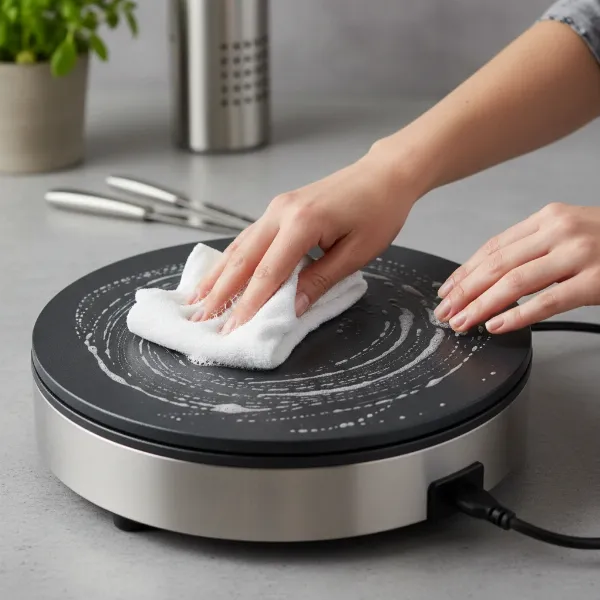 Person gently wiping a crepe maker's cooking surface with a soft, damp cloth and mild soap.
Specific Instructions by Plate Material
Understanding your crepe maker’s plate material is paramount for effective, scratch-free cleaning.
For Non-Stick Surfaces:
Non-stick coatings are delicate and require the gentlest touch.
- Gentle Wipe for Everyday Use: For routine cleaning after each use, a simple wipe-down with a damp microfiber cloth and a drop of mild detergent is often sufficient. This prevents accumulation of residue that could become harder to remove later.
- Tackling Stubborn Batter: If you have stuck-on batter, avoid abrasive pads or scouring sponges at all costs, as these are the primary culprits for micro-scratches. Instead, use a nylon-bristle brush. Its soft bristles can gently dislodge debris without harming the non-stick coating. You can also carefully use a plastic scraper designed for non-stick cookware.
- Avoid Metal Utensils: During both cooking and cleaning, ensure you only use non-metal utensils such as silicone or wooden spatulas. Metal can easily scratch the delicate coating, leading to premature wear and flaking.
For Seasoned Cast Iron Plates:
Cast iron is robust but requires specific care to maintain its seasoning, which acts as its natural non-stick layer.
- Clean While Still Warm: For cast iron, it’s often recommended to clean the plate while it’s still warm (but not hot to the touch). This helps with the removal of residues.
- Use a Specialized Cleaning Stone: For stubborn carbonized buildup or to maintain seasoning, a specialized crepe maker cleaning stone (sometimes called a pumice stone or abrasive stone) is ideal. Lightly rub the stone over the warm plate in a circular motion, following the grain of the plate. Don’t worry about scratching the metal; cast iron is very strong.
- Wipe Away Residue and Re-season: After using the stone, wipe away any abrasive stone shavings and residue with a cloth. Then, wipe the surface with a damp sponge. Finally, and crucially, re-season the plate. Apply a very thin layer of high-smoke-point cooking oil (like grapeseed, canola, or flaxseed oil) to the entire cooking surface. Heat the plate until it just begins to smoke, then turn off the heat and let it cool. This process rebuilds and maintains the natural non-stick layer, ensuring consistent heat distribution and preventing sticking.
- Frequent Light Scrubbing: To maintain proper seasoning, a light scrubbing with an abrasive stone every 4-5 uses (in a home kitchen setting) is recommended.
For Enamelled Cast Iron Plates:
These plates offer the durability of cast iron with an easier-to-clean, non-porous surface, often requiring no seasoning.
- Simple Wipe-Down: An enamelled cast iron plate typically just needs to be wiped clean with a damp sponge after each use. Mild dish soap can be used for heavier grease or batter.
- No Seasoning Required: Unlike traditional cast iron, these plates do not need to be seasoned.
Cleaning the Crepe Maker Base and Exterior
Don’t forget the rest of your appliance!
- Gentle Cleaning for the Frame: The base and exterior, often made of painted steel, can be cleaned with a soft sponge soaked in warm water and a non-chlorine-based liquid detergent. Wipe away any batter splashes or grease.
- Avoid Electrical Components: Be extremely careful not to let water or cleaning solutions drip into any electrical components or openings in the base. A slightly damp, not wet, cloth is best for this area.
- Thorough Drying: Always dry the exterior completely with a soft, clean cloth to prevent water spots and rust.
Common Cleaning Mistakes to Avoid
Knowing what not to do is just as important as knowing what to do when cleaning your crepe maker. Avoiding these common errors will prevent accidental scratches and damage:
- Using Abrasive Cleaning Tools: Steel wool, wire brushes, harsh scouring pads, and rough sponges are the archenemies of non-stick coatings. They create micro-scratches that degrade the surface and make food stick. While some specialized tools are safe for cast iron, general abrasive materials should be avoided unless specified by the manufacturer for your exact model.
- Cleaning While Hot: Attempting to clean a hot crepe maker is not only dangerous but can also warp the cooking surface or damage the coating due to thermal shock. Always wait until it’s completely cool.
- Submerging Electrical Components: Never immerse the base of an electric crepe maker in water. This will damage the electrical elements and create a significant safety hazard.
- Harsh Chemicals and Oven Cleaners: Avoid strong chemical cleaners, oven cleaners, or abrasive detergents. These can strip coatings, damage finishes, and leave behind residues that are unsafe for food contact. Stick to mild dish soap or pH-neutral solutions.
- Delaying Cleaning: The longer dried batter and grease sit on the surface, the harder they become to remove. This often leads to more aggressive scrubbing, increasing the risk of scratches. Clean your crepe maker promptly after each use.
Maintenance Tips for Long-Lasting Performance
Beyond cleaning, a few simple maintenance practices will ensure your crepe maker continues to perform flawlessly:
- Regular Seasoning for Cast Iron: For cast iron crepe makers, consistent re-seasoning is paramount. After every few uses or after a thorough cleaning, apply a thin layer of cooking oil and heat it as described in the cleaning section. This maintains the non-stick surface and protects against rust.
- Use Appropriate Non-Metal Utensils During Cooking: Prevention starts with cooking. Always use wooden, silicone, or heat-resistant plastic spatulas and spreaders when making crepes. Metal utensils can easily scratch even the most durable surfaces during use, compromising their integrity.
- Store in a Dry Place: After cleaning and ensuring it’s completely dry, store your crepe maker in a dry, cool location to prevent moisture buildup, especially for cast iron models susceptible to rust.
- Wipe Down After Every Use: Even if it’s just a quick wipe with a paper towel, this simple habit prevents accumulation of residue and makes deeper cleaning much easier when needed.
Conclusion
A well-maintained crepe maker is a culinary workhorse, capable of producing countless delicious crepes. The secret to its longevity and perfect performance lies in understanding and implementing gentle, scratch-free cleaning techniques tailored to its specific surface material. By always unplugging and cooling your machine, using soft tools and mild cleaners, and avoiding common abrasive mistakes, you can protect your investment and ensure every crepe slides effortlessly onto the plate. Remember that consistent care, from cooking with the right utensils to cleaning promptly after each use, will keep your crepe maker in peak condition.
What’s your favorite tip for keeping kitchen appliances looking brand new?
Frequently Asked Questions
Can I use vinegar to clean my crepe maker?
Yes, a diluted vinegar-water mix can be effective for cleaning the exterior frame of your crepe maker, especially for painted steel surfaces, as it’s pH-neutral and gentle. However, for the cooking surface itself, mild dish soap and water are generally recommended to avoid any potential impact on seasoning or non-stick coatings, unless the manufacturer specifically advises vinegar.
How often should I clean my crepe maker?
Ideally, you should clean your crepe maker after every single use. A quick wipe-down prevents batter and oil from drying and hardening, making deeper cleaning much easier. For seasoned cast iron, this might involve a quick wipe and re-oiling, while non-stick surfaces benefit from a gentle wash with mild soap and water.
What if my crepe maker is still sticky after cleaning?
A persistent sticky residue, especially on non-stick surfaces, often indicates an accumulation of oil or carbonized batter. Ensure you are not using too much oil during cooking. For non-stick, try gently scrubbing with a nylon-bristle brush and mild detergent. For seasoned cast iron, this might be a sign the seasoning needs to be refreshed or a more thorough cleaning with a cleaning stone followed by re-seasoning is needed.
Is it okay to use a metal spatula on a crepe maker?
Absolutely not. Using metal spatulas or spreaders is one of the quickest ways to scratch and damage the cooking surface of your crepe maker, particularly non-stick coatings. Always opt for utensils made from silicone, wood, or heat-resistant plastic to protect your crepe maker’s delicate surface and ensure its longevity.