Hello fellow food lovers and welcome to the heart of Crepe Maker Depot! If you’ve ever dreamt of crafting those delicate, paper-thin crepes you see in Parisian cafes right in your own kitchen, you’ve come to the right place. Today, we’re diving deep with a comprehensive CucinaPro Crepe Maker Review, an appliance that has become a staple for beginners and seasoned chefs alike. Is it the key to unlocking your crepe-making potential? Let’s pour the batter, grab our spreaders, and find out.
A crepe is more than just a thin pancake; it’s a canvas. It can be sweet or savory, simple or decadent. But achieving that perfect, consistent texture without the right tool can feel like a real battle. You’re often left with torn, uneven, or burnt disasters. That’s where a dedicated crepe maker steps in to save the day, and the CucinaPro is a name that constantly pops up.
What Exactly is a Crepe Maker?
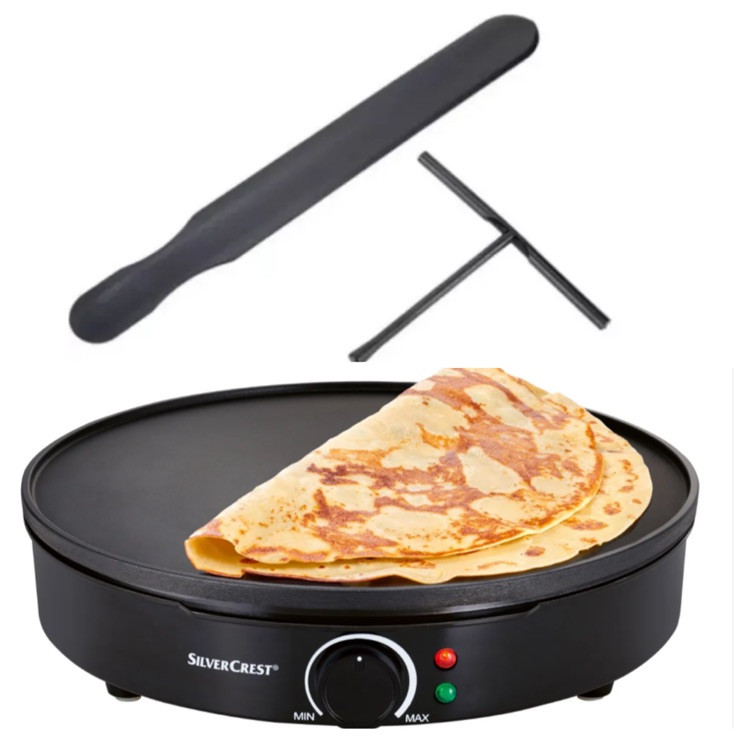
A crepe maker is a specialized cooking appliance designed for one primary purpose: to cook perfect crepes with ease. Unlike a standard frying pan, it features a large, flat, and often non-stick surface that provides consistent, edge-to-edge heat. This even heating is the secret sauce to avoiding those dreaded hot spots that burn one part of your crepe while leaving another undercooked.
Think of it as the difference between painting on a bumpy wall versus a perfectly smooth canvas. A crepe maker gives you the ideal surface to spread your batter thinly and evenly, which is nearly impossible to achieve in a typical sloped-sided pan.
Different Types of Crepe Makers on the Market
Before we focus solely on our CucinaPro crepe maker review, it’s helpful to understand the landscape. Generally, crepe makers fall into two main categories:
| Feature | Electric Crepe Maker | Traditional Crepe Pan |
|---|---|---|
| Heat Source | Self-contained electric heating element | Stovetop (gas, electric, or induction) |
| Heat Control | Often has adjustable temperature settings | Relies on the stovetop’s controls |
| Portability | Can be used anywhere with an outlet | Limited to the kitchen stovetop |
| Ease of Use | Generally easier for beginners due to even heat | Requires more skill to manage heat |
| Surface | Large, flat, and completely open | Low, slanted sides for easy flipping |
While traditional pans have their charm, electric models like the CucinaPro have democratized crepe making, bringing consistency and convenience to the home kitchen.
A Closer Look: What Makes the CucinaPro Crepe Maker Stand Out?
So, why are we dedicating a whole article to this specific machine? Because it hits a sweet spot of functionality, ease of use, and value that resonates with so many home cooks. Let’s break down its key features.
Size and Surface: Your Culinary Canvas
The CucinaPro Griddle & Crepe Maker boasts a 12-inch diameter cooking surface. This is a fantastic size—large enough to make substantial, restaurant-style crepes, but not so big that it becomes unwieldy to store. The non-stick surface is an absolute game-changer. Batter spreads smoothly, and the finished crepes slide right off without a fight. This means you can use less butter or oil, leading to a healthier, more authentic result.
Precision Temperature Control
One of the biggest challenges of making crepes on a stovetop is maintaining the perfect temperature. Too hot, and the batter burns on contact. Too cool, and you get a pale, rubbery disc. The CucinaPro solves this with its adjustable temperature control dial, featuring five different settings. This allows you to find the perfect heat for your specific batter and desired level of browning, and then keep it there, crepe after crepe.
As renowned pastry chef Jean-Luc Dubois often says, “Consistency is the soul of patisserie. An electric crepe maker with precise temperature control removes the guesswork, giving the home cook the consistency of a professional.”
The Essential Accessories
What good is the perfect canvas without the right brushes? The CucinaPro comes with the one tool that is absolutely non-negotiable for making great crepes: a batter spreader. This T-shaped wooden tool is what allows you to achieve that signature ultra-thin layer of batter. Learning to use it takes a few tries—it’s all in the wrist—but once you get the hang of it, you’ll never go back.
|
Our Picks for the Best Crepe Maker in 2026
As an Amazon Associate, we earn from qualifying purchases.
|
||
| Num | Product | Action |
|---|---|---|
| 1 | Proctor Silex Electric Crepe Maker with 13” Nonstick Griddle for Eggs, Pancakes, Omelets and Quesadillas, with Temperature Control, Spatula, Spreader, Batter Cup, Stainless Steel (38400PS) |

|
| 2 | Gourmia 12” Crepe Maker – Nonstick Electric Griddle for Pancakes, Omelets & More, Precise Temp Control with Indicator Lights, Includes Spatula & Batter Spreader, Quick Cleanup, Stainless Steel Trim |
|
| 3 | Nutrichef Electric Crepe Maker & Griddle Cooktop - Nonstick 12 Inch Aluminum Hot Plate with LED Indicator Lights & Adjustable Temperature Control - Wooden Spatula & Batter Spreader Included |
|
| 4 | Moss & Stone Electric Crepe Maker – 8” Portable Crepe Pan Nonstick with Dipping Plate, Auto Shut-Off, On/Off Switch, Even Heating & One Automatic Temperature Control – Compact Crepe Maker |
|
| 5 | 24PCS Mini Pancake Maker Machine, Nonstick Electric Dutch Pancakes Griddle, Adjustable Heat Multi-Use Poffertjes Pan, Simple & Easy Baker for Home and Restaurants, Perfect for Breakfast & Desserts |
|
| 6 | ULTICOR Mini Pancake Maker – 14-Hole Electric Poffertjes Pan – Non-Stick Dutch Mini Pancakes Griddle – Easy to Use, Easy to Clean – Perfect for Breakfast, Desserts, Snacks & More |
|
| 7 | Gourmia 8” Crepe Maker – Nonstick Ceramic Electric Griddle for Crepes, Tortillas & Omelets, Automatic Batter Dipping, Compact & Lightweight, Quick Heat-Up, Includes Batter Plate, Easy Cleanup |
|
| 8 | 110V US Commercial 25PCS Mini Pancake Maker,950W Mini Dutch Pancake Maker,Non-stick,Dutch Poffertjes Grill,Stainless Steel,Breakfast,Snacks,Desserts. |
|
| 9 | Baker\'s Friend Instant Crepe Maker with Handle, Electric Crepe Maker Machine, Crepera Electrica, 8 Inch Non-stick Cooking Surface, Aqua |
|
| 10 | nutrichef Electric Crepe Maker Pan & Griddle, 12 Inch Nonstick Cooktop, LED Indicators & Adjustable Temperature Control, Includes Spatula, Batter Spreader, Cooks Crepes, Roti & Pancakes |
|
How Do You Use the CucinaPro Crepe Maker for the First Time?
Ready to make your first crepe? Don’t be intimidated! Following these steps will set you up for success.
- Preparation is Key: Place your crepe maker on a flat, stable surface. Plug it in and turn the temperature dial to your desired setting (a medium setting is a great place to start). Let it preheat for a few minutes until the indicator light turns off.
- A Touch of Fat: Even though it’s non-stick, it’s wise to lightly grease the surface for the very first crepe. A tiny bit of melted butter on a paper towel, swiped quickly across the surface, is perfect.
- Pour and Spread: Ladle about 1/4 to 1/3 cup of batter onto the center of the hot surface. Immediately grab your batter spreader and, starting from the center, gently push the batter outwards in a circular motion. The goal is a thin, even layer. Don’t press down hard! A light touch is all you need.
- The Cook: Let the crepe cook for about 30-60 seconds, or until the edges start to look dry and lift slightly from the surface. The surface of the crepe should no longer look wet.
- The Flip: This is the moment of truth! Slide a long, thin spatula (a crepe spatula is ideal, but any thin one will do) under the crepe. With a confident flick of the wrist, lift and flip it over.
- The Finishing Touch: Cook the second side for another 20-30 seconds. It won’t need as long. Once done, slide it onto a plate and get ready to fill!
Pro Tips for Perfect Crepes Every Single Time
After making thousands of crepes on machines just like this one, I’ve picked up a few tricks.
- Rest Your Batter: This is the most important tip. After mixing your batter, let it rest in the refrigerator for at least 30 minutes, or even overnight. This allows the gluten to relax and the flour to fully hydrate, resulting in a more tender, less rubbery crepe.
- The First Crepe is for the Chef: It’s an old saying in French kitchens that the first crepe is always a failure. Don’t be discouraged! Use it to test the temperature and your spreading technique. Consider it a tasty sacrifice to the crepe gods.
- Keep Them Warm: If you’re making a big batch, you can keep the finished crepes warm by stacking them on a plate with a piece of parchment paper between each one and covering them with a clean kitchen towel.
How to Clean and Care for Your Crepe Maker
Proper care will ensure your CucinaPro serves you well for years to come. The good news? It’s incredibly easy to clean.
- Cool It Down: Always let the crepe maker cool completely before cleaning. Never pour cold water on a hot surface.
- Wipe It Clean: Once cool, simply wipe the non-stick surface with a damp, soft cloth or sponge. For any stubborn bits, a little dish soap on the cloth will do the trick.
- No Harsh Scrubbing: Never use abrasive cleaners, steel wool, or harsh scouring pads, as they will damage the non-stick coating.
- Store Smart: Store the crepe maker in a dry place. Keep the spreader and any other accessories with it so they don’t get lost.
Beyond the Crepe: Other Creative Uses
Your crepe maker is more versatile than you think! Its large, flat, temperature-controlled surface is perfect for other kitchen tasks:
- Pancakes and Blintzes: Make perfectly round American-style pancakes or cheese-filled blintzes.
- Tortillas and Flatbreads: Gently warm tortillas or cook simple, unleavened flatbreads.
- Eggs and Bacon: Use it as an electric griddle for a weekend breakfast.
- Quesadillas: The large surface is ideal for making giant, perfectly melted quesadillas.
Frequently Asked Questions
Q: What is the best batter consistency for a crepe maker?
A: The ideal crepe batter should have the consistency of heavy cream. It should be thin enough to spread easily but not so watery that it creates holes. If it’s too thick, add milk one tablespoon at a time.
Q: Why are my crepes tearing when I try to flip them?
A: This usually happens for two reasons: the crepe isn’t cooked enough, or the batter is too thin. Make sure the edges are dry and lifting before you attempt the flip. If the batter is the issue, try adding a tablespoon more flour.
Q: Can I use metal utensils on the CucinaPro crepe maker?
A: It is strongly recommended to avoid metal utensils as they can scratch and damage the non-stick coating. Stick with wooden or silicone tools, like the included spreader or a silicone spatula.
Q: How do I season a new crepe maker?
A: Most modern non-stick crepe makers like the CucinaPro do not require traditional seasoning. Simply wash the surface with a soft cloth and mild soap before the first use, dry it thoroughly, and you’re ready to go.
Q: Is the CucinaPro crepe maker worth it?
A: For anyone who loves crepes and wants to make them consistently and easily at home, the answer is a resounding yes. It eliminates the steep learning curve of using a traditional pan and delivers reliable, delicious results every time.
The Final Verdict
After a thorough CucinaPro crepe maker review, it’s clear that this appliance is a fantastic investment for any home kitchen. It turns a potentially frustrating cooking task into a fun and rewarding experience. Its user-friendly design, precise heat control, and generous cooking surface empower you to create beautiful, delicious crepes that will impress your family and friends. It’s not just a gadget; it’s a gateway to a world of culinary creativity.
So, go ahead and bring that little piece of Paris into your home. We’d love to hear about your crepe-making adventures and see your creations! Share your favorite fillings and recipes in the comments below.