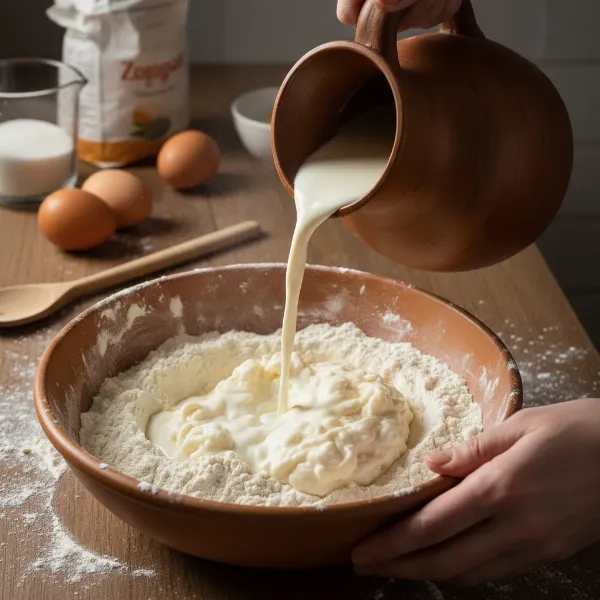
Few culinary delights capture the essence of simple elegance quite like a perfectly crafted crepe. Whether filled with sweet fruits and cream or savory ham and cheese, these delicate pancakes bring a touch of French sophistication to any meal. But when it comes to creating them at home, a common dilemma arises: should you invest in a dedicated electric crepe maker or stick with the traditional crepe pan? This guide will dive deep into the pros and cons of each, helping you decide which tool is best suited for your kitchen and crepe-making aspirations.
Understanding Electric Crepe Makers
Electric crepe makers are specialized appliances designed with one primary goal: to simplify the crepe-making process. They typically feature a large, flat, non-stick cooking surface, often with a raised lip to contain batter, and a built-in heating element with adjustable temperature controls.
These machines excel in ease of use. Simply plug them in, set the desired temperature, and wait for the surface to heat evenly. Many come with indicator lights that signal when the optimal temperature is reached, taking the guesswork out of preheating. The consistent heat distribution ensures each crepe cooks uniformly, resulting in beautifully browned and perfectly textured crepes every time. For beginners, the controlled environment of an electric crepe maker can be a game-changer, providing a much gentler learning curve than mastering a stovetop pan. Beyond crepes, many electric models double as versatile griddles, capable of cooking eggs, pancakes, tortillas, or even searing smaller cuts of meat, adding a layer of functionality to the appliance.
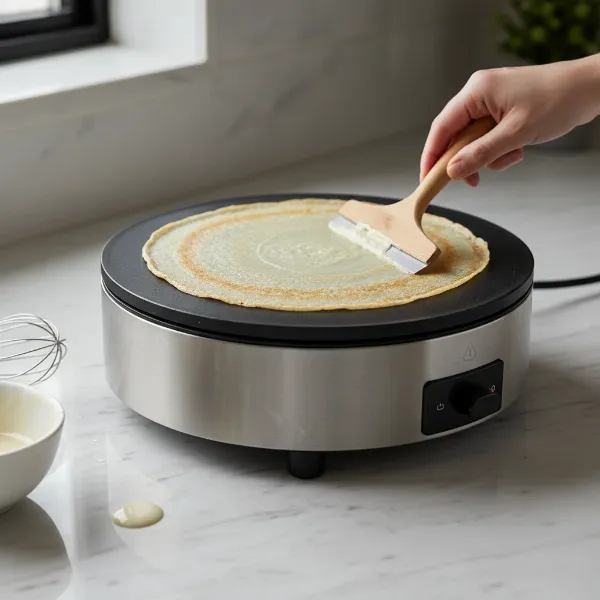 Close-up of an electric crepe maker cooking a perfectly golden crepe
However, electric crepe makers do come with their drawbacks. They require dedicated counter or storage space, which can be a consideration in smaller kitchens. While some models are compact, larger units can be bulky. They are also dependent on a power outlet, limiting their portability compared to a pan. Although many are designed for easy cleaning with a simple wipe-down, they cannot be submerged in water.
Exploring the Crepe Pan
The crepe pan, often a staple in European kitchens, is a traditional piece of cookware designed to be used on a stovetop. Characterized by its shallow sides and flat bottom, it allows for easy spreading of batter and effortless flipping. Crepe pans are available in various materials, including nonstick, cast iron, carbon steel, and stainless steel, each offering unique cooking properties.
The primary advantage of a crepe pan lies in its versatility and often, its lower cost. Unlike a dedicated appliance, a good crepe pan can be used on any type of cooktop—gas, electric, induction—and often for other flat foods like pancakes, tortillas, naan bread, or dosas. High-quality cast iron or carbon steel pans boast superior heat retention and can last for decades, often improving their natural nonstick properties with proper seasoning over time. For those who appreciate traditional cooking methods and the tactile experience of spreading batter by tilting the pan, a crepe pan offers a sense of culinary artistry. The low walls make it incredibly convenient to slide a spatula underneath for a quick flip, leading to perfectly browned results.
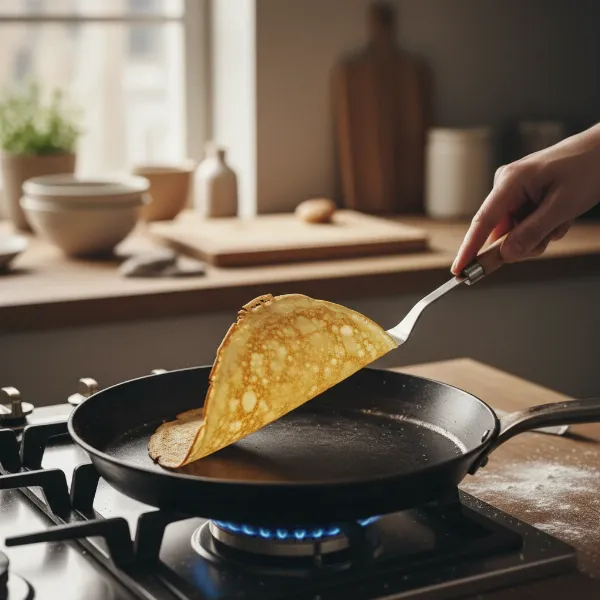 A hand expertly flipping a crepe in a traditional shallow crepe pan on a gas stove
On the flip side, using a crepe pan requires a certain level of skill and practice. Achieving consistent, even heat across the pan depends on your stovetop burner and the pan’s material, which can be less predictable than an electric maker’s thermostat. Spreading the batter thinly and evenly often involves a quick wrist movement to swirl the batter, which can be challenging for novices. Cleaning and maintenance also vary significantly by material; while nonstick pans are straightforward, cast iron and carbon steel require specific seasoning and care to prevent rust and maintain their nonstick surface.
Direct Comparison: Electric Crepe Maker vs. Crepe Pan
| Feature | Electric Crepe Maker | Crepe Pan |
|---|---|---|
| Ease of Use | High (temperature control, dedicated surface) | Medium to High (requires skill, tilting) |
| Temperature Control | Precise (built-in thermostat) | Dependent on stovetop burner |
| Consistency | High (even heat across surface) | Varies by material & stovetop, but can be high |
| Versatility | Limited (griddle-like foods) | High (any stovetop, many flat foods) |
| Space & Storage | More bulky, requires counter space | Space-saving, hangs or stacks |
| Cost | Generally higher initial investment | Often lower initial investment |
| Cleaning | Easy (wipe clean, nonstick) | Varies by material (seasoning, hand wash) |
| Portability | Less (needs outlet) | More (can use on any suitable heat source) |
| Durability | Varies by model | High (especially cast iron/carbon steel) |
Who Should Choose an Electric Crepe Maker?
If you’re a beginner eager to dive into crepe making without the steep learning curve, an electric crepe maker might be your best bet. Its precise temperature control and even heating surface provide a forgiving environment, ensuring consistent results from your very first crepe. This appliance is also ideal for those who prioritize convenience and speed, especially when preparing crepes for a large family or a brunch gathering. If consistent, restaurant-quality crepes with minimal effort are your goal, and you have the counter space to spare, an electric crepe maker offers an unparalleled user-friendly experience.
Who Should Opt for a Crepe Pan?
For the seasoned cook or someone who enjoys the art of traditional cooking, a crepe pan offers a rewarding experience. Its versatility means it’s not a single-purpose gadget, making it a valuable addition to kitchens with limited storage or those looking for a multi-functional tool. If you’re on a budget, a good quality crepe pan can be a more affordable entry point into crepe making. Experienced chefs often appreciate the nuanced control a stovetop pan allows, adapting to various batter types and desired browning levels. Crepe pans, particularly those made of cast iron or carbon steel, are also an excellent choice for those who value durability and a tool that can stand the test of time, becoming a cherished part of their culinary arsenal.
“The choice between an electric crepe maker and a crepe pan often boils down to your comfort level in the kitchen and how often you plan to make crepes. Both tools can produce exquisite results, but they cater to different cooking styles.” – Chef Antoine Dubois, Parisian Patisserie Owner
Buying Guide: What to Consider Before You Buy
Making the right choice involves evaluating your personal cooking habits and kitchen setup.
- Your Skill Level: If you’re a novice, an electric crepe maker offers a more controlled and forgiving experience. If you enjoy honing your culinary skills, a crepe pan will be a satisfying challenge.
- Frequency of Use: For occasional crepe cravings, a versatile crepe pan might be sufficient. If crepes are a regular fixture in your home, a dedicated electric maker could justify the investment.
- Kitchen Space: Consider your available counter and storage space. Crepe pans are generally more compact, while electric makers need dedicated room.
- Budget: Crepe pans typically have a lower entry price, though high-end models can rival electric makers. Electric models offer a range of price points depending on features.
- Desired Features: Look for nonstick surfaces on either, precise temperature control for electric makers, and durable materials like cast iron or carbon steel for pans. Some electric makers even come with batter spreaders and spatulas, which can be helpful for beginners.
Tips for Perfect Crepes (Regardless of Your Tool)
No matter which tool you choose, these fundamental tips will help you achieve crepe perfection:
- Batter Consistency: Aim for a thin, pourable batter, similar to heavy cream. If it’s too thick, add a little milk or water.
- Proper Preheating: Always preheat your crepe maker or pan thoroughly. This ensures even cooking and prevents sticking.
- Right Amount of Batter: Use just enough batter to thinly coat the cooking surface. Too much will result in a thick pancake rather than a delicate crepe.
- The Flip: Wait until the edges of the crepe turn golden and lift slightly before attempting to flip.
- Cleanliness: Always clean your equipment after each use. For electric makers, wipe with a damp cloth once cooled. For pans, follow material-specific cleaning instructions to maintain their condition.
In conclusion, both electric crepe makers and traditional crepe pans offer fantastic ways to enjoy homemade crepes. Your ideal choice hinges on a blend of convenience, versatility, skill level, and kitchen space. An electric crepe maker provides effortless consistency and precise temperature control, making it perfect for beginners and those who prioritize ease. A crepe pan, on the other hand, offers unmatched versatility, durability, and a rewarding hands-on experience for the more adventurous cook. Which tool will empower you to create your next culinary masterpiece?
Frequently Asked Questions
Can I use a regular frying pan for crepes?
|
Our Picks for the Best Crepe maker in 2026
As an Amazon Associate I earn from qualifying purchases.
|
||
| Num | Product | Action |
|---|---|---|
| 1 | 16 Inch Commercial Crepe Maker, Dual-Head, Dual Zone Temp Setting, Nonstick Pancake Griddle Machine, 50-300°C(120-570℉), 3400W, S.S. Shell, for Catering, Restaurant, Snack Stand, CE Certified |

|
| 2 | Moss & Stone 12” Electric Griddle Pan & Crepe Machine, Non-Stick Electric Crepe Maker with Adjustable Temperature, Includes Spreader & Spatula – Ideal for Pancakes, Blintzes & Tortillas |
|
| 3 | Nutrichef Electric Crepe Maker & Griddle Cooktop - Nonstick 12 Inch Aluminum Hot Plate with LED Indicator Lights & Adjustable Temperature Control - Wooden Spatula & Batter Spreader Included |
|
| 4 | Gourmia 8” Electric Crepe Maker – Nonstick Ceramic Surface, One-Touch Operation, Includes Batter Tray, Compact & Easy to Clean, Crepe, Pancake & Tortilla Maker |
|
| 5 | Moss & Stone Electric Crepe Maker 8 Inch, Portable Crepe Maker & Hot Plate Cooktop On/Off Switch, Nonstick Coating, Automatic Temperature Control, Easy To Use For Pancakes, Blintz, Chapati |
|
| 6 | Baker's Friend Instant Crepe Maker with Handle, Electric Crepe Maker Machine, Crepera Electrica, 8 Inch Non-stick Cooking Surface, Aqua |
|
| 7 | Moss & Stone Electric Crepe Maker – 8” Portable Crepe Pan Nonstick with Dipping Plate, Auto Shut-Off, On/Off Switch, Even Heating & One Automatic Temperature Control – Compact Crepe Maker |
|
| 8 | Nutrichef Electric Crepe Maker - 8-inch Nonstick Cooktop with On/Off Switch - Cooks Roti, Tortillas & Pancakes - Automatic Temperature Control & Cool Touch Handle - Includes Food Bowl, Whisk & Spatula |
|
| 9 | Electric Crepe Maker 12'' & Griddle - Non-Stick Pan With Spreader for Roti, Tortilla, Blintzes, Pancakes - Adjustable Temperature, 1000W |
|
| 10 | Gourmia 12” Crepe Maker – Nonstick Electric Griddle for Pancakes, Omelets & More, Precise Temp Control with Indicator Lights, Includes Spatula & Batter Spreader, Quick Cleanup, Stainless Steel Trim |
|
While technically possible, a regular frying pan usually has higher sides, making it challenging to spread the batter thinly and flip the delicate crepes without tearing them. A dedicated crepe pan with low, flared sides or an electric crepe maker with a flat surface is far more suitable for consistent results.
What is the ideal size for a crepe maker or pan?
Most home-use crepe makers and pans range from 10 to 12 inches in diameter. This size is versatile enough for both sweet and savory crepes and is commonly used in restaurants. Larger sizes are available, often for commercial use or if you prefer very large crepes.
Are electric crepe makers hard to clean?
Generally, electric Crepe Makers are very easy to clean. Most models feature a nonstick surface that simply needs to be wiped down with a damp cloth once the appliance has cooled. They should never be submerged in water due to electrical components.
What other foods can I make with a crepe pan?
Crepe pans are surprisingly versatile! Their flat, low-sided design makes them excellent for cooking pancakes, tortillas, flatbreads like naan or dosa, quesadillas, eggs, or even grilling sandwiches. Many find them indispensable for quick, flat cooking tasks.