Let’s be real for a moment. Who doesn’t love a good crepe? That delicate, paper-thin pancake, golden and slightly crispy at the edges, ready to be filled with anything your heart desires. But trying to make one in a regular frying pan? It can feel like a culinary wrestling match. You get uneven heat, weird shapes, and batter that seems to have a mind of its own. That’s precisely why a dedicated crepe maker is a game-changer, and this Large Plate Crepe Maker Review is here to guide you through why going big might just be the best decision for your kitchen. We’re going to break down everything you need to know, from features to first-time use, so you can go from frustrated cook to crepe connoisseur.
Before we dive into the specifics of large models, it’s worth taking a step back to consider the general pros and cons of crepe maker ownership to see if it’s the right fit for your culinary style.
What Exactly Is a Crepe Maker, and Why Do I Need One?
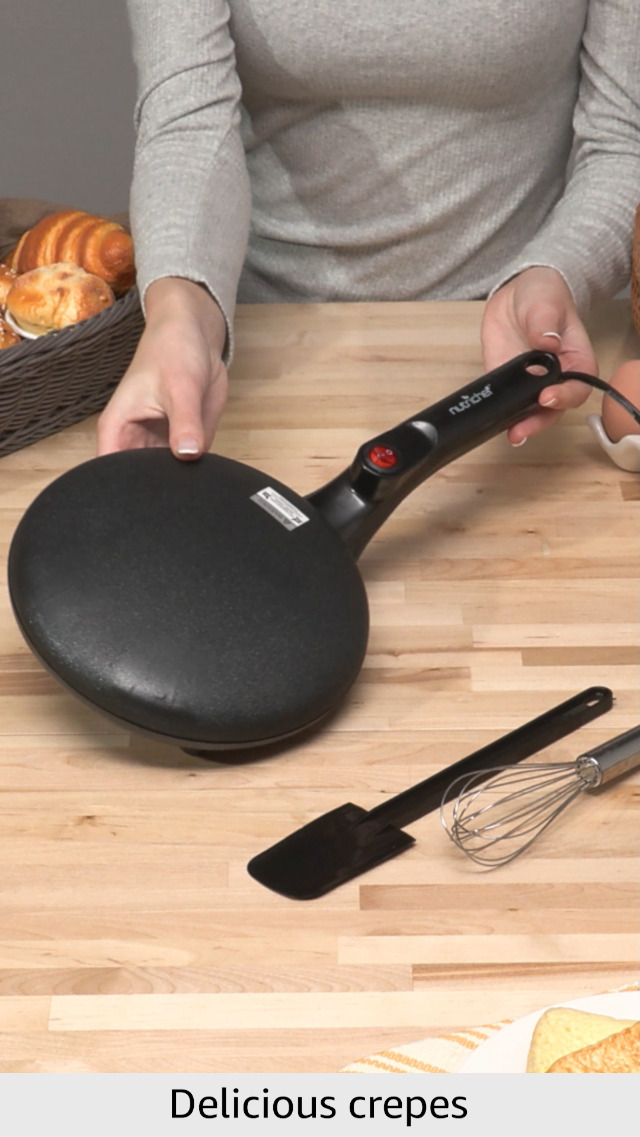
Think of a crepe maker as a specialist artist’s canvas, designed for one beautiful purpose: crafting perfect crepes. It’s typically a round, flat, non-stick cooking surface that provides large, even heat distribution. Unlike a skillet, which has sloped sides and often a “hot spot” in the middle, a crepe maker’s entire surface maintains a consistent temperature. This is the secret to achieving those impossibly thin, perfectly round crepes you see at French markets and street stalls. It takes the guesswork out of the equation and turns a tricky task into a simple, repeatable process.
The Most Common Types of Crepe Makers
When you start shopping, you’ll mainly see two styles battling for your attention. Each has its charm, and the right one for you depends on your kitchen setup and cooking habits.
- Electric Crepe Makers: These are the most popular countertop models. They’re self-contained units you plug into the wall, offering precise temperature control and a dedicated cooking surface. They’re fantastic for consistency and ease of use.
- Crepe Pans (Stovetop): These are essentially specialized, low-sided pans made from materials like cast iron or non-stick aluminum. They are used on your existing stovetop. While they offer a more traditional cooking experience, they rely on your burner for heat, which can sometimes be less consistent than an electric model.
| Feature | Electric Crepe Maker | Stovetop Crepe Pan |
|---|---|---|
| Heat Source | Internal electric coil | Gas or electric stovetop |
| Consistency | Excellent, even heating | Good, but depends on the burner |
| Portability | Requires an outlet | Very portable, works anywhere with a stove |
| Control | Precise temperature dials | Controlled by stovetop knob |
| Ease of Use | Very beginner-friendly | Requires a bit more practice |
What to Look for in a Large Plate Crepe Maker Review
When you’re specifically searching for a large plate crepe maker review, you’re looking for more than just a standard appliance. You want room to create those big, foldable, restaurant-quality crepes. Here’s what truly matters.
### Plate Size and Why It Matters
This is the main event! A standard crepe maker might be around 10-12 inches. A large plate model typically starts at 13 inches and can go up to 16 inches. That extra real estate isn’t just for show; it allows you to make substantial crepes that can hold more fillings without becoming overstuffed or difficult to fold. It’s the difference between a delicate snack and a full, satisfying meal.
### Temperature Control is Non-Negotiable
A simple on/off switch won’t cut it. Look for a crepe maker with an adjustable thermostat, often with a range of temperature settings. This is crucial because the ideal temperature can vary based on your batter recipe.
Chef Antoine Dubois, a classically trained French pastry chef, always says, “The secret to a perfect crepe isn’t just the batter; it’s the unwavering, consistent heat. A quality large plate crepe maker gives you that control, which a simple stovetop pan never can.”
Having this control means you can find that sweet spot for a perfect golden-brown finish without burning the crepe before it’s cooked through. Discussions around heating efficiency often bring up comparisons with other specialized appliances; for those interested in speed, exploring a quick heating crepe maker review can provide additional insights into performance.
### The Cooking Surface: Non-Stick is King
The last thing you want is your beautiful, thin crepe tearing because it stuck to the surface. A high-quality non-stick coating (usually PFOA-free) is essential. It not only ensures easy flipping and removal but also makes cleanup an absolute breeze. You’ll use less oil or butter, making for a healthier crepe.
### Essential Accessories Included
A great crepe maker often comes with the tools of the trade. The two most important are:
- A Batter Spreader: This T-shaped wooden or plastic tool is used to spread the batter thinly and evenly across the large plate in a circular motion. It’s the key to getting that signature paper-thin texture.
- A Crepe Spatula: This is a long, thin spatula designed to get under the delicate crepe without tearing it, making flipping and folding much easier.
|
Our Picks for the Best Crepe Maker in 2025
As an Amazon Associate, we earn from qualifying purchases.
|
||
| Num | Product | Action |
|---|---|---|
| 1 | Gourmia 12” Crepe Maker – Nonstick Electric Griddle for Pancakes, Omelets & More, Precise Temp Control with Indicator Lights, Includes Spatula & Batter Spreader, Quick Cleanup, Stainless Steel Trim |

|
| 2 | Proctor Silex Electric Crepe Maker with 13” Nonstick Griddle for Eggs, Pancakes, Omelets and Quesadillas, with Temperature Control, Spatula, Spreader, Batter Cup, Stainless Steel (38400PS) |
|
| 3 | Nutrichef Electric Crepe Maker & Griddle Cooktop - Nonstick 12 Inch Aluminum Hot Plate with LED Indicator Lights & Adjustable Temperature Control - Wooden Spatula & Batter Spreader Included |
|
| 4 | Gourmia 8” Crepe Maker – Nonstick Ceramic Electric Griddle for Crepes, Tortillas & Omelets, Automatic Batter Dipping, Compact & Lightweight, Quick Heat-Up, Includes Batter Plate, Easy Cleanup |
|
| 5 | ULTICOR Mini Pancake Maker – 14-Hole Electric Poffertjes Pan – Non-Stick Dutch Mini Pancakes Griddle – Easy to Use, Easy to Clean – Perfect for Breakfast, Desserts, Snacks & More |
|
| 6 | Moss & Stone Electric Crepe Maker – 8” Portable Crepe Pan Nonstick with Dipping Plate, Auto Shut-Off, On/Off Switch, Even Heating & One Automatic Temperature Control – Compact Crepe Maker |
|
| 7 | Baker\'s Friend Instant Crepe Maker with Handle, Electric Crepe Maker Machine, Crepera Electrica, 8 Inch Non-stick Cooking Surface, Aqua |
|
| 8 | 110V US Commercial 25PCS Mini Pancake Maker,950W Mini Dutch Pancake Maker,Non-stick,Dutch Poffertjes Grill,Stainless Steel,Breakfast,Snacks,Desserts. |
|
| 9 | nutrichef Electric Crepe Maker Pan & Griddle, 12 Inch Nonstick Cooktop, LED Indicators & Adjustable Temperature Control, Includes Spatula, Batter Spreader, Cooks Crepes, Roti & Pancakes |
|
| 10 | 24PCS Mini Pancake Maker Machine, Nonstick Electric Dutch Pancakes Griddle, Adjustable Heat Multi-Use Poffertjes Pan, Simple & Easy Baker for Home and Restaurants, Perfect for Breakfast & Desserts |
|
How Do I Use a Crepe Maker for the First Time?
Feeling a little intimidated? Don’t be! It’s easier than it looks. Here’s a simple step-by-step guide to get you started.
- Prepare Your Batter: Find a good recipe and whisk your batter until it’s smooth and the consistency of heavy cream. For best results, let it rest in the fridge for at least 30 minutes. This allows the gluten to relax, resulting in a more tender crepe.
- Preheat Your Machine: Turn on your crepe maker and set it to a medium-high temperature. Most models have an indicator light that tells you when it’s ready.
- Lightly Grease the Surface: Even with a non-stick surface, a very light wipe with a buttered paper towel for the first crepe is a good idea.
- Pour and Spread: Pour a ladleful of batter onto the center of the hot plate. Immediately grab your spreader and, starting from the center, spread the batter outwards in a smooth, circular motion until you have a thin, even layer.
- Cook and Flip: Let it cook for about 45-60 seconds, or until the edges start to lift and the surface looks dry. Use your long spatula to gently lift an edge, check for a golden-brown color, and then confidently flip it over.
- Finish Cooking: The second side needs only about 20-30 seconds.
- Fill and Fold: Slide the finished crepe onto a plate. Add your favorite fillings down the center and fold it into halves or quarters. Enjoy immediately!
While the size of a large plate maker is a huge draw, if kitchen space is a major concern, you might want to look into a compact crepe maker review to see how smaller models compare.
Tips and Tricks for Flawless Crepes Every Time
- The First Crepe is a Test: Don’t be discouraged if your first crepe is a disaster. It’s affectionately known as the “chef’s treat” or the “sacrificial crepe.” Use it to test the temperature and the amount of batter you need.
- Keep the Spreader Clean: Wipe your batter spreader between each crepe to prevent clumps. Some pros even keep a little bowl of water to dip it in.
- Work Quickly: Once the batter hits the hot plate, you need to spread it quickly before it starts to set.
- Don’t Overfill: It’s tempting to load your crepe up, but overfilling makes it difficult to fold and eat. Be generous, but not too generous.
For those who travel or have limited storage, the convenience of a smaller appliance is a major factor. A detailed portable crepe maker review can offer perspective on making crepes on the go.
How to Clean and Maintain Your Crepe Maker
Proper care will ensure your crepe maker lasts for years. The good news? It’s incredibly easy.
- Cool It Down: Always let the machine cool down completely before cleaning.
- Wipe It Clean: Use a damp, soft cloth or sponge to wipe the non-stick surface. If there’s any stubborn batter, a little bit of warm, soapy water will do the trick.
- Never Submerge: Do not immerse the electric base in water.
- Avoid Abrasives: Never use metal utensils, scouring pads, or abrasive cleaners on the non-stick surface, as this will scratch and ruin it.
What Else Can I Make With a Large Plate Crepe Maker?
Your large plate crepe maker is more versatile than you think! Its large, flat, evenly heated surface is perfect for other foods, too.
- Pancakes and Blintzes: Make giant, family-sized pancakes or delicate cheese-filled blintzes.
- Tortillas: Warm up tortillas for tacos or quesadillas.
- Eggs and Bacon: Use it as a mini griddle for a perfect breakfast.
- Indian Dosa: The process is remarkably similar to making crepes, and the large surface is ideal.
For high-volume cooking, some advanced home chefs even explore models with multiple cooking surfaces. A dual plate crepe maker review offers a look into these more professional-grade options.
Frequently Asked Questions
What is the ideal temperature for making crepes?
Most electric crepe makers work best between 375-400°F (190-200°C). It’s hot enough to cook the crepe quickly without burning it. Start in the middle of your machine’s range and adjust as needed.
Can I use pancake batter on a crepe maker?
You can, but the result will be a very large, thin pancake, not a crepe. Crepe batter is much thinner and contains less leavening agent (or none at all), which is what gives crepes their distinct delicate, non-fluffy texture.
Why are my crepes tearing when I flip them?
This usually happens for one of two reasons: either the crepe isn’t cooked enough on the first side, or your batter is too thick. Make sure the edges are lifting and the surface looks dry before attempting the flip. If it persists, try thinning your batter with a tablespoon of milk or water.
Do I need to season my crepe maker like a cast iron pan?
No. A modern non-stick crepe maker does not require seasoning. Simply wipe it clean after each use. Applying too much oil can build up and become sticky over time.
Is a large plate crepe maker worth the counter space?
If you love making crepes for your family or for entertaining, absolutely. The ability to make large, satisfying crepes quickly and easily makes it a worthwhile investment that you’ll find yourself using for more than just crepes.
The Final Verdict
After a thorough large plate crepe maker review, the conclusion is clear: bigger really is better if you’re serious about your crepes. It elevates the experience from a novelty to a genuinely useful and versatile kitchen appliance. The control, consistency, and sheer joy of pulling a perfect, massive crepe off the griddle is something a standard pan just can’t replicate. It empowers you to create everything from a simple lemon-and-sugar dessert to a savory buckwheat galette stuffed with ham and cheese. So go ahead, give yourself the space to create. Your taste buds will thank you.