As an Admin at CrepeMakerDepot.com and a technician with over a decade of hands-on experience, I’ve seen my share of crepe makers, from the simplest home models to robust professional units. One of the most common, and often frustrating, issues owners face is burnt batter adhering to the heating element. It’s more than just an unsightly mess; it can affect your crepe maker’s performance and even pose a safety risk. Don’t worry, with the right approach and a little patience, you can get your appliance sparkling clean again.
Burnt batter on your crepe maker’s heating element can seem like an insurmountable challenge. You might wonder how it even got there in the first place, or if you can ever truly get it off without damaging your beloved machine. This article will guide you through the safest and most effective methods to remove those stubborn, scorched deposits, ensuring your crepe maker continues to produce perfect crepes for years to come.
Why Burnt Batter Becomes a Problem on Heating Elements
Crepe batter is designed to spread thinly and cook quickly on a hot surface. However, accidents happen. A splash, an overfill, or even a tiny drip can find its way past the cooking surface and onto the unprotected heating element below. Once it makes contact with the hot coils, that delicate batter transforms into a hard, carbonized crust almost instantly. This burnt residue not only looks unpleasant but can also cause uneven heating, unpleasant odors, and, in severe cases, could even be a fire hazard due to persistent smoking. Regularly addressing this buildup is crucial for the longevity and efficiency of your appliance.
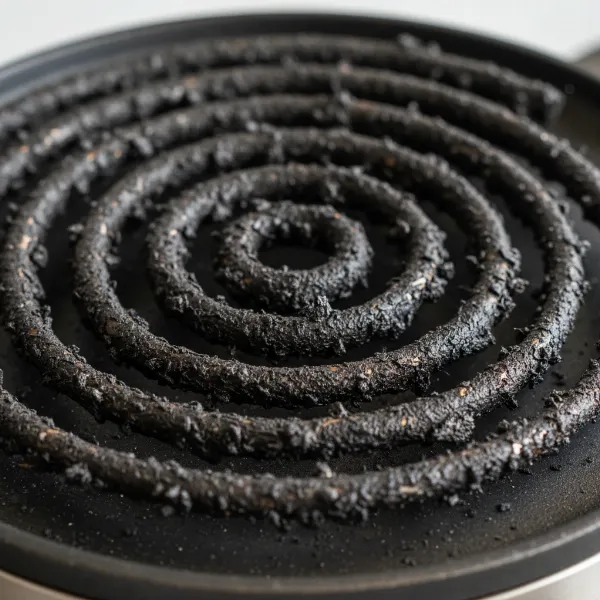 Close-up of a crepe maker heating element with stubborn, carbonized burnt batter residue.
Essential Safety Precautions Before You Begin
Before you even think about tackling that burnt batter, safety must be your absolute priority. Working with electrical appliances requires careful handling, especially when cleaning components like heating elements.
First and foremost, unplug your crepe maker from the power outlet. This cannot be stressed enough; it prevents any risk of electrical shock. Once unplugged, allow the appliance to cool down completely. Heating elements can retain significant heat long after being turned off, so patience here is key to avoiding burns.
Never submerge the heating element or the entire appliance in water. Heating elements are not designed for full immersion, and doing so can cause permanent damage, electrical shorts, or severe safety hazards. Always use cleaning methods that minimize water contact with the electrical components.
Gentle Cleaning for Light Residue
For minor splatters or light, freshly burnt batter, a gentle approach is often all you need. The goal is to remove the residue without scratching or damaging the element’s surface.
Once your crepe maker is unplugged and fully cool, dampen a soft cloth or sponge with warm water mixed with a mild dish soap. Wring it out thoroughly so it’s just damp, not dripping. Carefully wipe down the heating element, gently rubbing at any visible residue. For tight spots between coils, an old toothbrush can be an excellent tool, allowing you to get into crevices without excessive pressure. After scrubbing, wipe the element again with a clean, damp cloth to remove any soap residue, and then ensure it is completely dry before plugging the appliance back in.
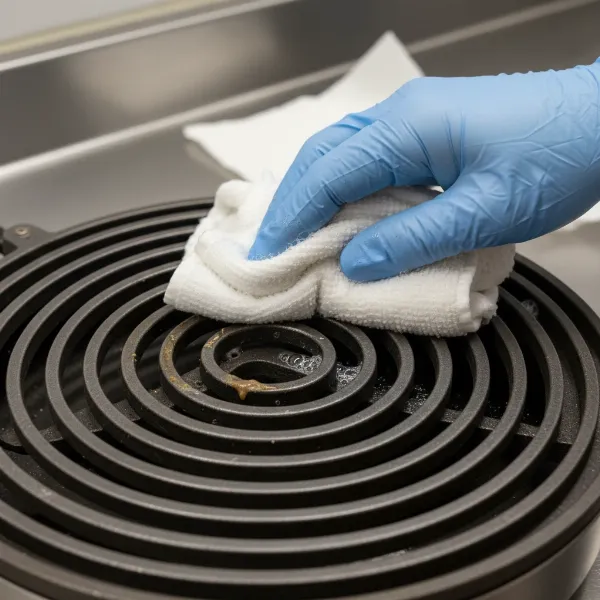 Hand gently cleaning a crepe maker heating element with a damp cloth and mild soap.
Tackling Stubborn Burnt Batter
When gentle methods aren’t enough, it’s time to bring in slightly more robust techniques. Remember to always work cautiously and prioritize the integrity of your crepe maker.
Mechanical Removal: Scraping and Scrubbing
For hard, carbonized spots, you might need a bit more mechanical action.
- Plastic Scrapers: For any larger, more brittle pieces of burnt batter, a plastic scraper can be effective. It’s less likely to scratch the metal than a metal utensil. Carefully chip away at the burnt areas.
- Non-Abrasive Scrub Pads: A plastic scrub pad, such as a “Euroscrubby” type, can work wonders. Wrap it around the element rods and slide it back and forth to loosen stubborn deposits. For stainless steel elements, some technicians recommend copper scrub brushes, as copper is softer and less likely to cause microscopic scratches. Always test a small, inconspicuous area first.
- Soft-Bristled Brushes: Beyond an old toothbrush, specialized cleaning brushes with firm but non-abrasive bristles can help dislodge material from the coils.
|
Our Picks for the Best Crepe maker in 2026
As an Amazon Associate I earn from qualifying purchases.
|
||
| Num | Product | Action |
|---|---|---|
| 1 | Moss & Stone 12” Electric Griddle Pan & Crepe Machine, Non-Stick Electric Crepe Maker with Adjustable Temperature, Includes Spreader & Spatula – Ideal for Pancakes, Blintzes & Tortillas |

|
| 2 | Moss & Stone Electric Crepe Maker – 8” Portable Crepe Pan Nonstick with Dipping Plate, Auto Shut-Off, On/Off Switch, Even Heating & One Automatic Temperature Control – Compact Crepe Maker |
|
| 3 | Gourmia 8” Electric Crepe Maker – Nonstick Ceramic Surface, One-Touch Operation, Includes Batter Tray, Compact & Easy to Clean, Crepe, Pancake & Tortilla Maker |
|
| 4 | 16 Inch Commercial Crepe Maker, Dual-Head, Dual Zone Temp Setting, Nonstick Pancake Griddle Machine, 50-300°C(120-570℉), 3400W, S.S. Shell, for Catering, Restaurant, Snack Stand, CE Certified |
|
| 5 | Nutrichef Electric Crepe Maker & Griddle Cooktop - Nonstick 12 Inch Aluminum Hot Plate with LED Indicator Lights & Adjustable Temperature Control - Wooden Spatula & Batter Spreader Included |
|
| 6 | Baker's Friend Instant Crepe Maker with Handle, Electric Crepe Maker Machine, Crepera Electrica, 8 Inch Non-stick Cooking Surface, Aqua |
|
| 7 | Electric Crepe Maker 12'' & Griddle - Non-Stick Pan With Spreader for Roti, Tortilla, Blintzes, Pancakes - Adjustable Temperature, 1000W |
|
| 8 | Gourmia 12” Crepe Maker – Nonstick Electric Griddle for Pancakes, Omelets & More, Precise Temp Control with Indicator Lights, Includes Spatula & Batter Spreader, Quick Cleanup, Stainless Steel Trim |
|
| 9 | Moss & Stone Electric Crepe Maker 8 Inch, Portable Crepe Maker & Hot Plate Cooktop On/Off Switch, Nonstick Coating, Automatic Temperature Control, Easy To Use For Pancakes, Blintz, Chapati |
|
| 10 | Nutrichef Electric Crepe Maker - 8-inch Nonstick Cooktop with On/Off Switch - Cooks Roti, Tortillas & Pancakes - Automatic Temperature Control & Cool Touch Handle - Includes Food Bowl, Whisk & Spatula |
|
The Power of Acids: Natural Cleaning Solutions
Certain acidic solutions can help break down burnt-on organic matter, making it easier to remove. Always ensure good ventilation when using these methods.
- Distilled White Vinegar: For more severely scorched elements, a solution of distilled white vinegar can be highly effective. If your element is removable (check your manual), you might soak it in a vinegar solution, ensuring the liquid level is well above the element. For non-removable elements, dampen a cloth with vinegar and apply it to the burnt areas. Let it sit for a while, then scrub gently. The acidity helps to loosen the carbonized batter.
- Lemon Juice: Similar to vinegar, the citric acid in lemon juice can also aid in breaking down burnt residue. Apply fresh lemon juice to the affected areas, let it sit, and then scrub.
- Specialized Cleaners (with caution): For extreme cases, some professional cleaning solutions, like PBW (Powdered Brewery Wash), are highly effective at cleaning carbonized sugars and proteins. While often used in brewing, their cleaning power can be adapted for severe crepe maker element buildup. Always follow product instructions meticulously and rinse thoroughly.
“When dealing with stubborn burnt-on residue, acidic solutions like vinegar or even a dedicated cleaning agent designed for carbon buildup can be incredibly effective. The key is allowing them enough time to work their magic before you start scrubbing.” – Sarah Miller, Appliance Maintenance Specialist
The “Burn-Off” Method: A Risky Approach
You might hear recommendations for a “burn-off” method, where the element is heated to a high temperature to incinerate the burnt batter into ash, which can then be tapped off. While some users report success, I strongly advise against this method. It carries significant risks, including potentially damaging the heating element, creating excessive smoke and fumes, and even increasing the risk of fire. It’s a last resort that can shorten the lifespan of your appliance and should be approached with extreme caution, if at all. Many manufacturers do not recommend this.
What to Absolutely Avoid
To protect your crepe maker and ensure your safety, here’s a list of absolute no-gos:
- Abrasive Cleaners or Metal Scouring Pads: These can scratch and damage the surface of the heating element, potentially leading to rust or reduced efficiency.
- Sharp Objects: Knives, screwdrivers, or other sharp tools can easily puncture or gouge the element, causing irreparable damage.
- Submerging the Element: As mentioned, never immerse the heating element or the appliance in water.
- Harsh Chemical Oven Cleaners: While tempting, these chemicals can be corrosive and may cause rust or permanent damage to the heating element material. They can also leave residues that could produce toxic fumes when heated.
- Wire Brushes: These are generally too aggressive and can cause damage to sensitive heating coils.
Prevention is Key: Keeping Your Crepe Maker Clean
The best way to deal with burnt batter is to prevent it in the first place. A few simple habits can save you a lot of cleaning hassle:
- Mindful Pouring: Be careful when pouring batter to avoid spills and drips onto the heating element.
- Regular Wiping: After each use, once the crepe maker is unplugged and cool, give the exposed areas around the cooking surface a quick wipe-down to catch any stray batter before it bakes on.
- Check for Splatter: Periodically lift the cooking surface (if applicable and safe to do so according to your manual) to check for any hidden splatter on the heating element itself.
- Proper Maintenance: Follow your crepe maker’s manual for recommended cleaning and seasoning procedures to ensure the cooking surface is non-stick, reducing the likelihood of batter sticking and running off.
Conclusion
A clean heating element is essential for the optimal performance and longevity of your crepe maker. While burnt batter can be a frustrating problem, it’s one you can confidently tackle with the right knowledge and tools. Always remember to prioritize safety by unplugging your appliance and allowing it to cool completely before any cleaning begins. From gentle soap and water for minor mishaps to acidic solutions for stubborn residue, a range of effective methods are at your disposal. By implementing these cleaning techniques and adopting preventative habits, you’ll ensure your crepe maker stays in top condition, ready to create countless delicious crepes.
What’s your go-to method for keeping your crepe maker in pristine condition?
Frequently Asked Questions
Can I use oven cleaner to remove burnt batter from the heating element?
No, it is strongly advised against using harsh chemical oven cleaners on your crepe maker’s heating element. These chemicals can be corrosive, potentially damaging the element and leaving behind residues that could emit harmful fumes when heated, compromising both your appliance and your health.
How often should I clean the heating element of my crepe maker?
Ideally, you should clean any visible spills or splatters around the cooking surface after each use, once the appliance is cool. For the heating element itself, inspect it regularly and clean as needed to prevent significant buildup, which is more difficult to remove.
What causes batter to burn on the heating element?
Batter burns on the heating element primarily due to spills or drips that fall from the cooking surface onto the exposed coils. This can happen from overfilling, uneven spreading, or simply accidental splashes during the cooking process. Once on the hot element, the batter rapidly carbonizes, creating a stubborn burnt layer.